Clothes and boots for dogs
-
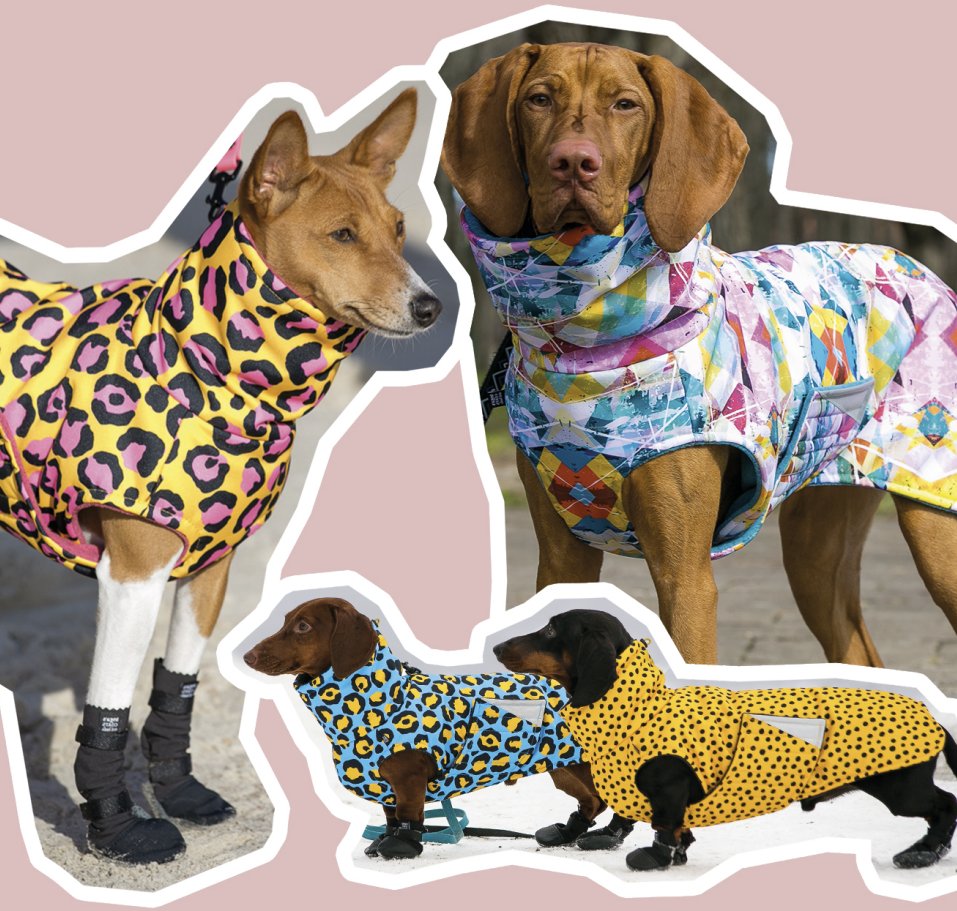 CoatsCut to your dog's measurements
-
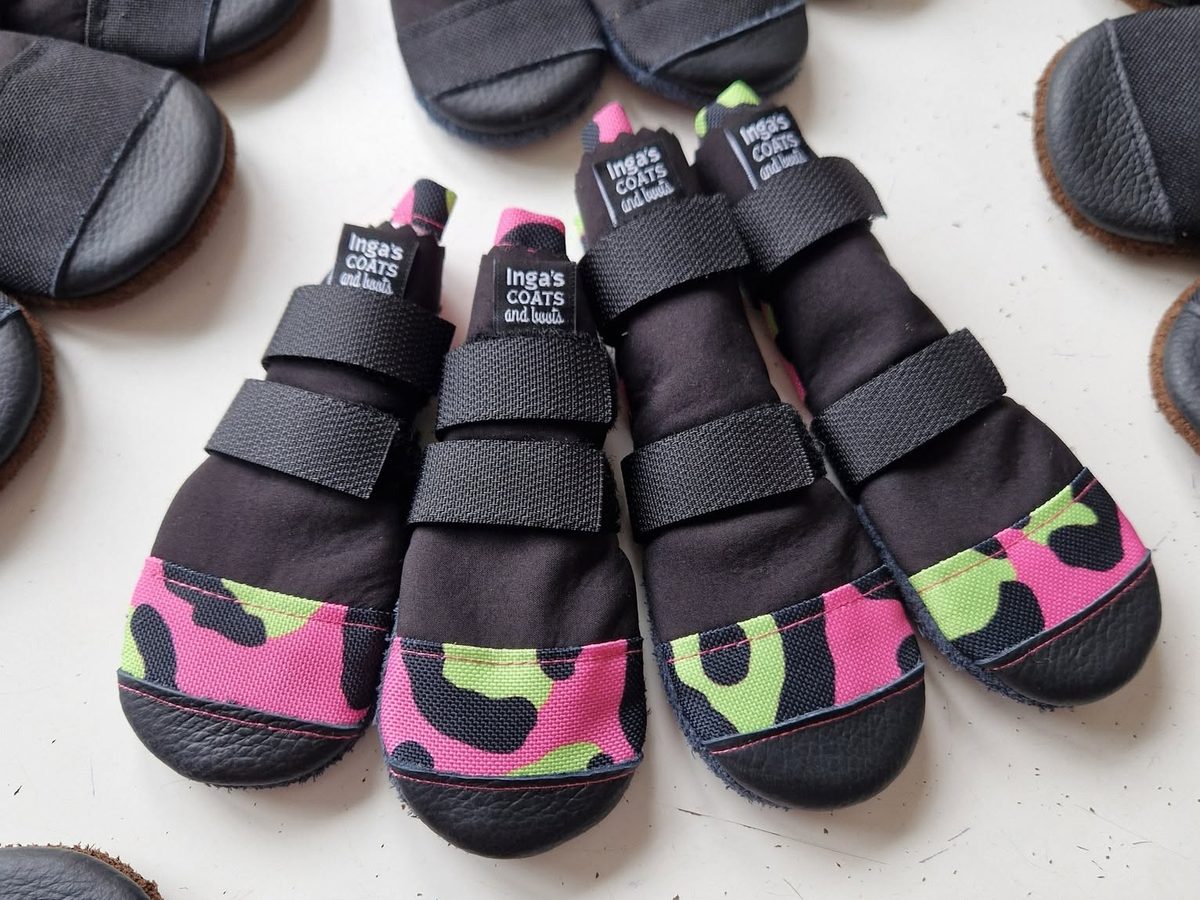 BootsFor frost and gritted pavements
-
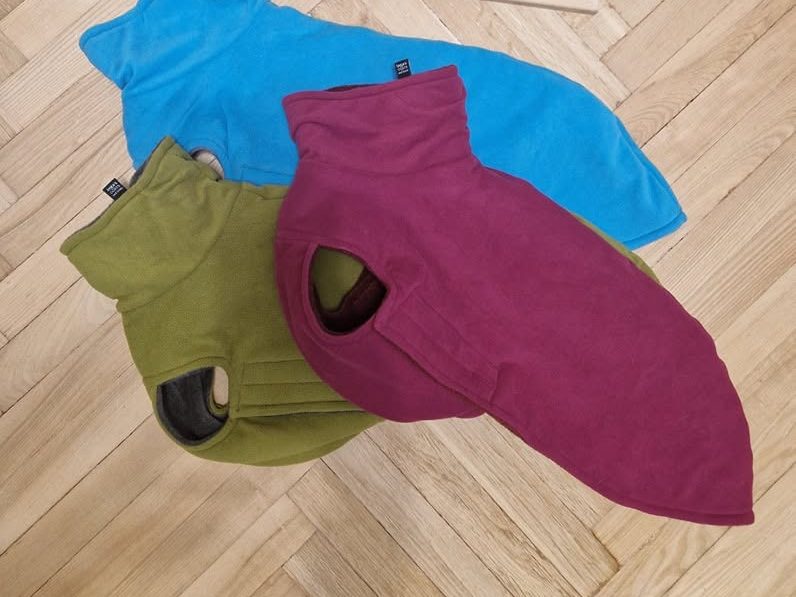 FleeceWarm at home and on walks
-
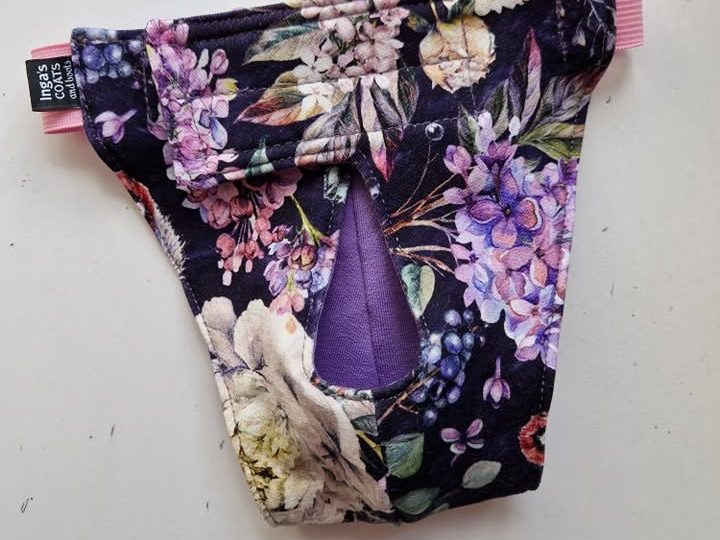 Hygiene pantsSoft, with no tail hole
Quality, long-lasting, handmade
Why fit matters
Standard sizes are built for an average dog
A coat sized by back length alone is too tight on the chest or flaps around the tummy. A good fit needs both measurements.
Dogs with a short, thin coat keep little warmth in, so a damp winter walk turns cold quickly.
A neck opening sized for your dog keeps the wind out and stays in place on the move.
Coats
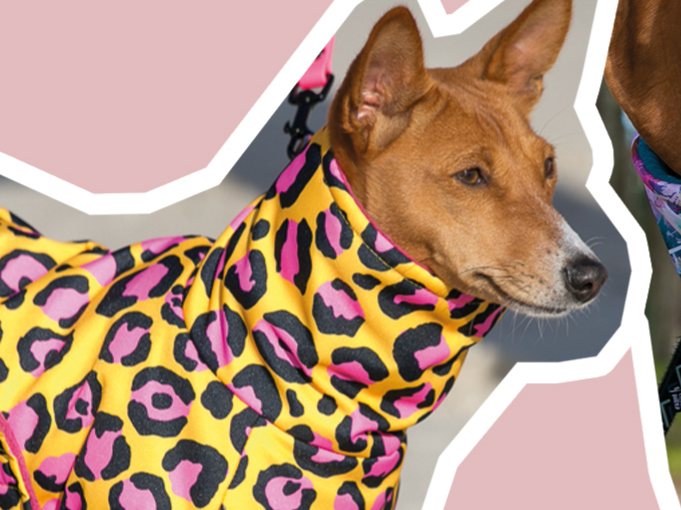
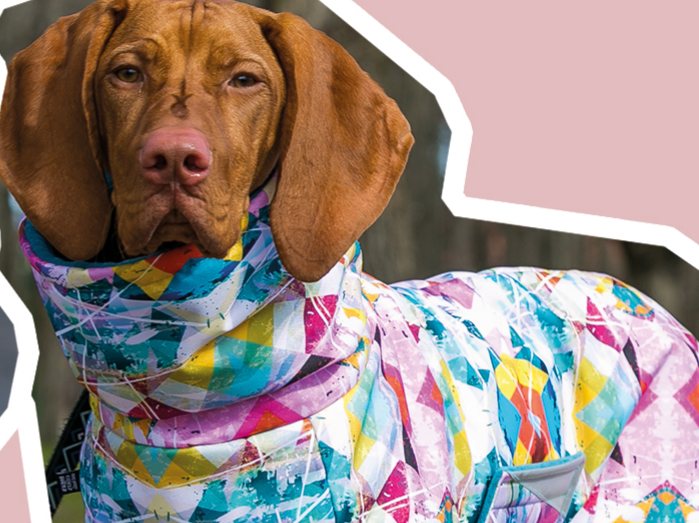
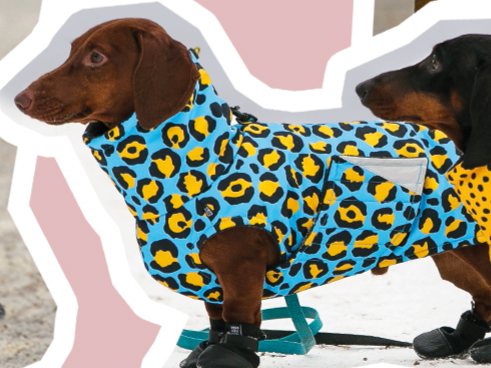
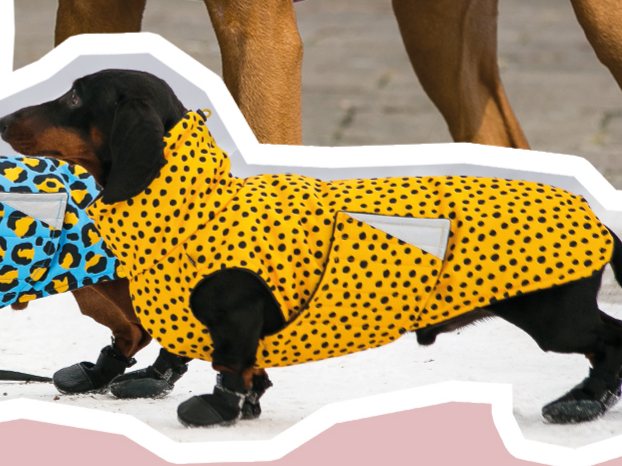
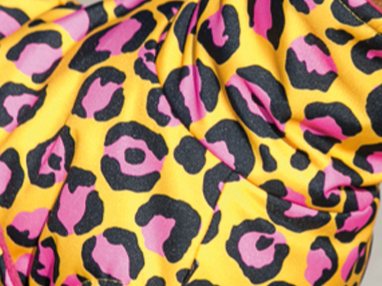
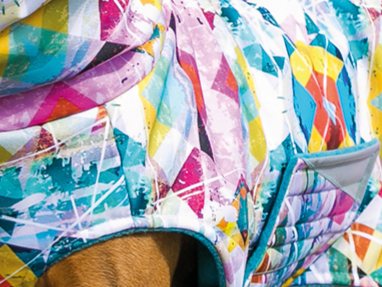
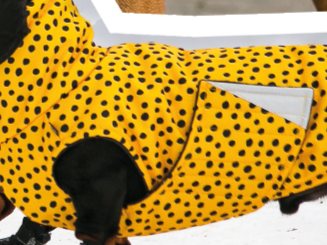
Winter (thick) or autumn (thin). One design, shaped to your dog's build.
- Waterproof (impregnated) outer layer with a fleece lining
- Winter coats have an extra layer of synthetic padding
- Reflectors on both sides. Sighthound coats come down over the tail, with a reflector at the back too
- For small breeds (toy poodles, miniature and rabbit dachshunds, toy terriers) Inga recommends the autumn coat: the fabrics are stiff and made for bigger dogs
Price on request · extra reflectors +€3–5 · spikes along the back +€5–15
How to measure
Whippets, greyhounds, Italian greyhounds, lurchers: deep chest, narrow waist, long neck.
Have your dog standing square on a flat floor, head up, as on a walk.
- Back length
From the base of the neck, where the collar sits, along the spine to the base of the tail. Follow the curve of the back with the tape.
- Chest
Round the deepest part of the chest, where the ribs reach lowest, just behind the elbows. Snug, one finger under the tape.
- Neck
Round the base of the neck at its thickest point, where it meets the shoulders.
- Waist
Round the narrowest point in front of the back legs. On a male dog, 5–10 cm in front of the penis.
- Neck length
From the base of the neck up to just behind the ears.
- Head
Round the widest part of the head, over the ears. A high collar has to pass over it.
- Belly length
From the base of the neck at the front, under the chest, to just in front of the back legs.
Standard, miniature and rabbit dachshunds: long back, short legs.
Have your dog standing square on a flat floor, head up, as on a walk.
- Back length
Along the spine from the base of the neck to the base of the tail, with your dog standing straight, not hunched. Measure two or three times and send the longest.
- Chest
Round the widest part of the chest. On a dachshund this is often a little further back, not right behind the front legs.
- Neck
Round the neck where the collar sits. Leave one finger of room so the coat doesn't press.
- Belly length
From the base of the neck at the front, under the chest, to just in front of the back legs.
French and English bulldogs, pugs and similar: broad chest, thick neck, short back.
Have your dog standing square on a flat floor, head up, as on a walk.
- Back length
From the base of the neck, where the collar sits, along the spine to the base of the tail. Follow the curve of the back with the tape.
- Chest
The key measurement for bulldogs. Round the widest part of the ribcage, snug but with two fingers of room.
- Neck
Round the thickest part of the neck, with two fingers of room. A tight neck opening rubs and gets in the way.
- Shoulder width
Across the front of the chest, from the point of one shoulder to the other, above the front legs.
All other dogs: three measurements are enough.
Have your dog standing square on a flat floor, head up, as on a walk.
- Back length
From the base of the neck, where the collar sits, along the spine to the base of the tail. Follow the curve of the back with the tape.
- Chest
All the way round the deepest part of the chest, just behind the front legs. Snug, with one finger under the tape.
- Neck
Round the neck where the collar sits. Leave one finger of room so the coat doesn't press.
Boots
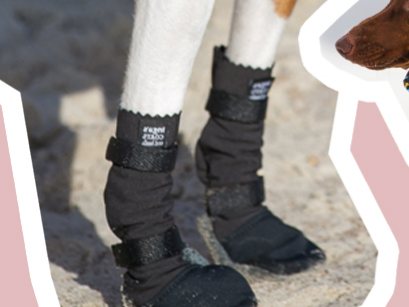
Made to your dog's paw circumference and length. The design is registered in the European Union.
- Two Velcro straps keep each boot steady; dachshund boots have one
- Suede leather sole: comfortable, and dogs get used to it quickly
- Not padded and not waterproof: they keep snow and ice off, so paws stay warmer
- Made for walking in snow. They wear faster on asphalt and aren't for intense running or sport
Set of 4 from €40 (pinschers, toy poodles, dachshunds and similar) · lost or worn boots can be replaced in pairs
Why are the front boots longer? Questions about bootsSample photos
How to measure
Stand on paper. Put a sheet of paper under one front paw. Lift the other front paw so your dog's weight spreads the paw you're measuring.
- Front paw circumference
Wrap the tape round the widest part of the paw while your dog stands on it with full weight. Snug, not tight.
- Front paw length
Mark the tip of the longest nail and the back of the main pad, then measure between them.
- Back paw circumference
The same as I, on a back paw. Front and back paws are often different sizes.
- Back paw length
The same as J, on a back paw.
Fleece
The most versatile layer for a short-coated dog in Lithuanian weather. Reversible: thick fleece on one side, thin fleece on the other.
- Wear it either way out, so pick two different colours
- Keeps warmth in, lets the skin breathe, and keeps off wind and drizzle
- For all year round
- The best choice for growing puppies: soft and stretchy
Price on request
Pick one colour for the thick side and one for the thin side.
Thick fleeceThin fleeceHow to measure
Whippets, greyhounds, Italian greyhounds, lurchers: deep chest, narrow waist, long neck.
Have your dog standing square on a flat floor, head up, as on a walk.
The same measurements as for a coat.
- Back length
From the base of the neck, where the collar sits, along the spine to the base of the tail. Follow the curve of the back with the tape.
- Chest
Round the deepest part of the chest, where the ribs reach lowest, just behind the elbows. Snug, one finger under the tape.
- Neck
Round the base of the neck at its thickest point, where it meets the shoulders.
- Waist
Round the narrowest point in front of the back legs. On a male dog, 5–10 cm in front of the penis.
- Neck length
From the base of the neck up to just behind the ears.
- Head
Round the widest part of the head, over the ears. A high collar has to pass over it.
- Belly length
From the base of the neck at the front, under the chest, to just in front of the back legs.
Standard, miniature and rabbit dachshunds: long back, short legs.
Have your dog standing square on a flat floor, head up, as on a walk.
The same measurements as for a coat.
- Back length
Along the spine from the base of the neck to the base of the tail, with your dog standing straight, not hunched. Measure two or three times and send the longest.
- Chest
Round the widest part of the chest. On a dachshund this is often a little further back, not right behind the front legs.
- Neck
Round the neck where the collar sits. Leave one finger of room so the coat doesn't press.
- Belly length
From the base of the neck at the front, under the chest, to just in front of the back legs.
French and English bulldogs, pugs and similar: broad chest, thick neck, short back.
Have your dog standing square on a flat floor, head up, as on a walk.
The same measurements as for a coat.
- Back length
From the base of the neck, where the collar sits, along the spine to the base of the tail. Follow the curve of the back with the tape.
- Chest
The key measurement for bulldogs. Round the widest part of the ribcage, snug but with two fingers of room.
- Neck
Round the thickest part of the neck, with two fingers of room. A tight neck opening rubs and gets in the way.
- Shoulder width
Across the front of the chest, from the point of one shoulder to the other, above the front legs.
All other dogs: three measurements are enough.
Have your dog standing square on a flat floor, head up, as on a walk.
The same measurements as for a coat.
- Back length
From the base of the neck, where the collar sits, along the spine to the base of the tail. Follow the curve of the back with the tape.
- Chest
All the way round the deepest part of the chest, just behind the front legs. Snug, with one finger under the tape.
- Neck
Round the neck where the collar sits. Leave one finger of room so the coat doesn't press.
Hygiene pants
Double-layer stretch knit. The design is registered in the European Union.
- Easy to put on: no need to thread the tail through a hole
- Very soft, and they move with your dog
- Use with ordinary hygiene pads (the human kind)
- Also hold a nappy in place for older dogs
Standard sizes, or made to measure · price on request
How to measure
Have your dog standing square on a flat floor, head up, as on a walk.
- Waist
Round the narrowest part of the belly, just in front of the back legs. Check again with your dog sitting: if the number grows a lot, tell Inga.
- Length
From the top of the back just in front of the tail, round the bottom and between the back legs, then forward under the belly to the waist line. This is not the back length.
There is no tail hole, so the tail needs no measuring.
Send measurements
Fill in the numbers and send them to Inga
The message builds itself as you type. Copy it and paste it into Messenger. Nothing is sent anywhere until you do.
- Measure twice. If the results differ, send both.
- Don't pull the tape tight. Write down exactly what it reads.
- A photo of the tape on your dog helps Inga check the spot.
- Wears a harness? Mention it in the notes.
How ordering works
From tape measure to first walk
- MeasureFive minutes with a soft tape and a treat.
- SendPaste your numbers into Messenger.
- Agree the detailsInga confirms fabric, colour, price and timing.
- Made and postedYour dog's coat or boots arrive ready to wear.
“Toro … just received his boots! Looks like he loves it :)”
From Inga's Facebook pageMy numbers look odd. What should I do?
Measure again with your dog standing. If the two results still differ, send both, plus a photo of the tape on your dog.
Do I need to measure every paw?
At least one front and one back paw. Front and back paws often differ, so boots are sized separately.
Inches or centimetres?
Either works. The form converts and sends both.
About the boots
Why two Velcro straps?
Only so the boot stays steady on the leg.
What if I forget to fasten the top strap?
Nothing much. A little more snow may get in, or a long boot may slip down slightly. As long as the lower strap is fastened well, the boot stays on.
Why are the front boots usually long and the back ones short?
Inga started by sewing for whippets and Italian greyhounds: very short coats and delicate skin. Running on crusted snow, they used to cut their legs. A running dog lands on its wrists at the front and on its pads and heels at the back. So the front boots are longer to protect the wrists, and the back boots, with two straps, are high enough to protect the heels. The joint above the heel moves a lot and changes size, so anything fastened there has to be minimal.
Who are short boots for?
Large breeds with thick coats. The fur protects the legs well enough, and a big dog has room for two straps below the wrist without limiting movement.
Who are long boots all round for?
Poodles and similar breeds, to stop snowballs forming in the fur, or short-coated dogs for extra heel protection. The downside: they're harder to put on. With very long fur it can be nearly impossible to tuck it all in, so Inga recommends short boots with leg sleeves, or boot-sleeves.